DEMO POST

DEMO POST

mind miracle

Your content goes here. Edit or remove this text inline or in the module Content settings. You can also style every aspect of this content in the module Design settings and even apply custom CSS to this text in the module Advanced settings. demo text here

Understanding the Role of a Shadow Teacher

Understanding the Role of a Shadow Teacher

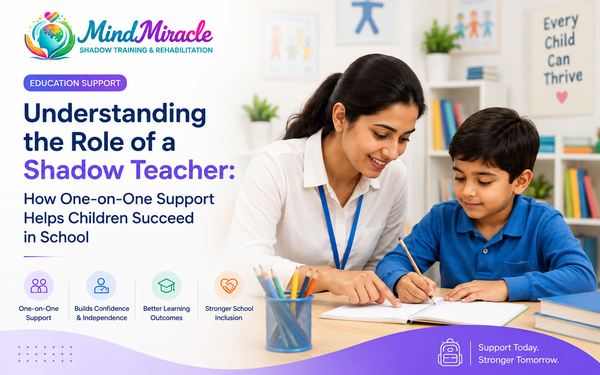
Understanding the Role of a Shadow Teacher: How One-on-One Support Helps Children Succeed in School

Every parent wants their child to feel confident, included, and successful at school. However, some children may experience challenges with communication, attention, social interaction, learning, or emotional regulation. These difficulties can make a mainstream classroom overwhelming.

A Shadow Teacher for Children in School provides personalized one-on-one support to help children participate confidently and independently. At Mind Miracle, our Shadow Training program connects home, school, and learning to create a supportive environment for every child.

What is Shadow Training?

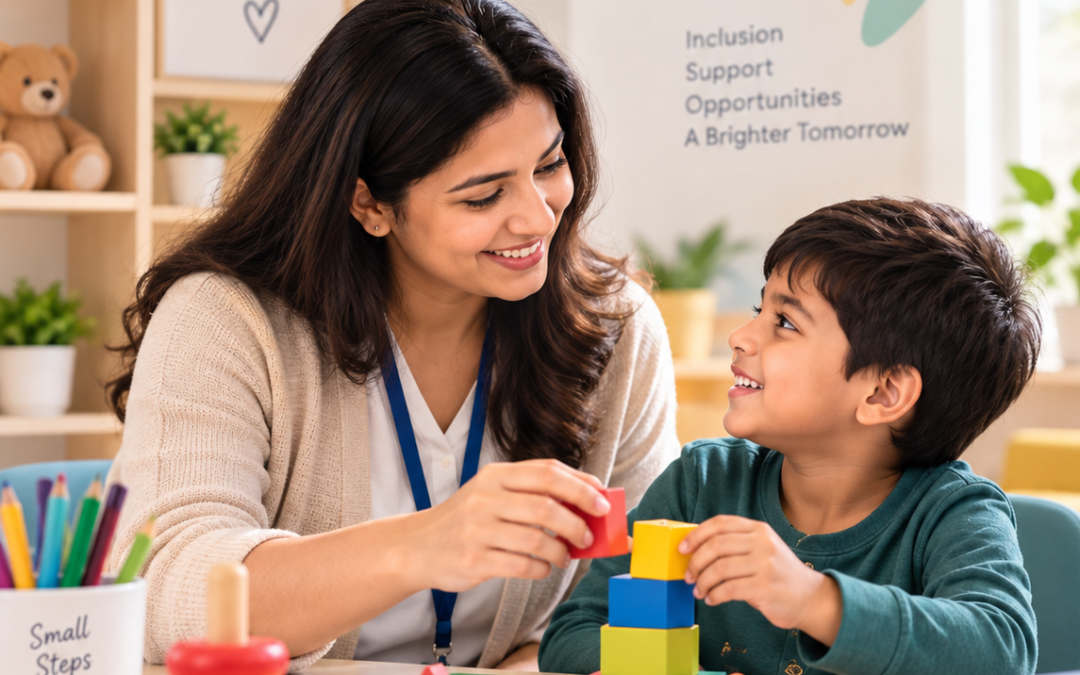
Shadow Training is a specialized educational support service in which a trained professional assists a child within a mainstream classroom. Unlike the classroom teacher, a shadow teacher focuses on the individual child's academic, behavioral, communication, and social needs.

The goal is not to complete tasks for the child but to guide them toward independence. A shadow teacher may help the child understand instructions, remain focused, participate in activities, manage transitions, and communicate effectively.

Key Benefits of a Shadow Teacher

1. Personalized Classroom Support

Every child learns differently. A shadow teacher adapts support according to the child's strengths, needs, and learning pace. This may include breaking difficult tasks into smaller steps, providing reminders, encouraging classroom participation, and developing organizational skills.

2. Social Interaction and Inclusion

School plays an important role in developing friendships and social skills. Children who struggle with social communication may find group activities challenging.

A shadow teacher encourages positive peer interactions, helps children understand social cues and classroom routines, and supports participation in group activities. This school inclusion support helps children become active members of their classroom community.

3. Behavioral Regulation and Focus

Children with attention, sensory, or emotional regulation difficulties may require additional classroom support. Shadow teachers can use strategies such as positive reinforcement, visual schedules, calm redirection, and emotional regulation techniques.

The objective is to help children understand expectations, manage emotions, improve focus, and gradually develop self-control.

4. Collaboration with Parents and Teachers

Effective support requires teamwork. Shadow teachers work closely with parents, classroom teachers, therapists, special educators, and school management. Regular communication helps maintain consistent strategies across home, school, and therapy environments.

Who Can Benefit from Shadow Training?

Shadow Training may support children with Autism Spectrum Disorder (ASD), ADHD, learning disabilities, developmental delays, speech and language difficulties, sensory processing challenges, social communication difficulties, or behavioral and emotional regulation needs.

Since every child is different, professional assessment is important to determine the appropriate level of support.

Mind Miracle's Approach

At Mind Miracle, Shadow Training is personalized according to each child's developmental and educational goals. Individualized support plans may focus on academic participation, communication, social interaction, emotional regulation, behavior, and classroom independence.

Our trained and compassionate professionals encourage children through patience and positive guidance. Progress is regularly monitored so strategies can be adjusted as the child's abilities develop.

Building Confidence One Step at a Time

A shadow teacher does more than provide classroom assistance. The aim is to help children develop confidence, independence, communication skills, positive relationships, and meaningful participation in school life.

At Mind Miracle, we work with families, educators, and professionals to create supportive learning experiences that help children progress toward greater independence—one milestone at a time.

Life Skill Development

Life Skill Development

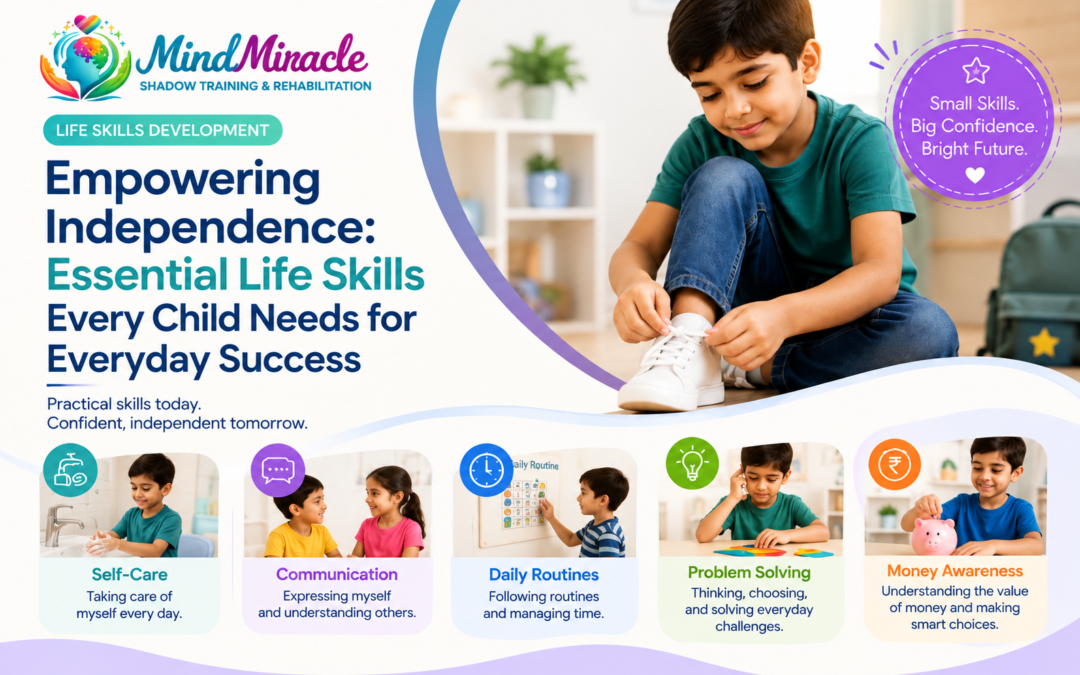
Empowering Independence: Essential Life Skills Every Child Needs for Everyday Success

Every parent wants their child to grow into a confident and independent individual who can manage everyday activities successfully. From getting ready for school and communicating with others to solving problems and managing responsibilities, daily life skills play an important role in a child’s overall development.

Some children, particularly those with developmental delays, autism, ADHD, learning disabilities, or other special needs, may require additional guidance to develop these abilities. Life Skills Development for Children focuses on practical skills that promote independence, communication, confidence, and participation in everyday life.

At Mind Miracle, our personalized life skills programs help children build essential abilities through structured, supportive, and practical learning experiences.

What Are Daily Life Skills?

Daily life skills are practical abilities children use to manage everyday activities independently. These include personal hygiene, dressing, communication, social interaction, following routines, organization, time awareness, decision-making, money awareness, and problem-solving.

Developing these abilities can help children become more responsible and confident while reducing their dependence on caregivers.

Why Are Life Skills Important?

Children with developmental needs may require additional instruction and repeated practice to learn everyday activities. Structured daily living skills therapy helps break complex tasks into manageable steps, allowing children to learn at their own pace.

Life skills training can help children:

  • Become more independent in everyday activities
  • Improve confidence and self-esteem
  • Strengthen communication and social skills
  • Develop decision-making abilities
  • Adapt more comfortably to new situations
  • Reduce dependence on parents and caregivers

Every achievement, from tying shoelaces to independently following a morning routine, represents meaningful progress.

Core Areas of Life Skills Development

1. Self-Care & Personal Hygiene

Children learn essential self-care activities such as brushing their teeth, washing their hands, dressing, grooming, eating independently, and organizing personal belongings. These skills encourage responsibility and confidence.

2. Communication & Social Skills

Effective communication allows children to express their needs and develop positive relationships. Training may include greeting others, taking turns, listening, asking for help, sharing, understanding personal space, and showing empathy.

3. Time Management & Daily Routines

Structured routines create predictability and help children manage everyday responsibilities. Children can learn to follow morning and bedtime routines, organize school materials, understand schedules, complete tasks, and manage transitions between activities.

4. Problem-Solving & Decision-Making

Children also need opportunities to handle everyday challenges. Life skills training teaches them to think before reacting, make safe choices, ask for assistance when necessary, adapt to changes, and resolve simple problems independently.

Supporting Independence at Home

Families play an important role in reinforcing these skills. Parents can involve children in simple household activities such as setting the table, organizing school bags, putting away toys, or watering plants.

Visual schedules and checklists can make routines easier to understand. Giving children simple choices also strengthens decision-making skills. Most importantly, parents should recognize effort and celebrate progress rather than expecting perfection.

The Mind Miracle Approach

At Mind Miracle, every child’s life skills program is designed around their individual strengths, developmental needs, and goals. Our approach includes personalized goals, real-world practice, interactive activities, family collaboration, and regular progress tracking.

Independence develops one small step at a time. With consistent support from families, educators, and therapists, children can build practical skills, confidence, and greater self-reliance.

At Mind Miracle, our goal is to help every child become a more confident, capable, and independent participant in everyday life.

BEHAVIORAL THERAPY

BEHAVIORAL THERAPY

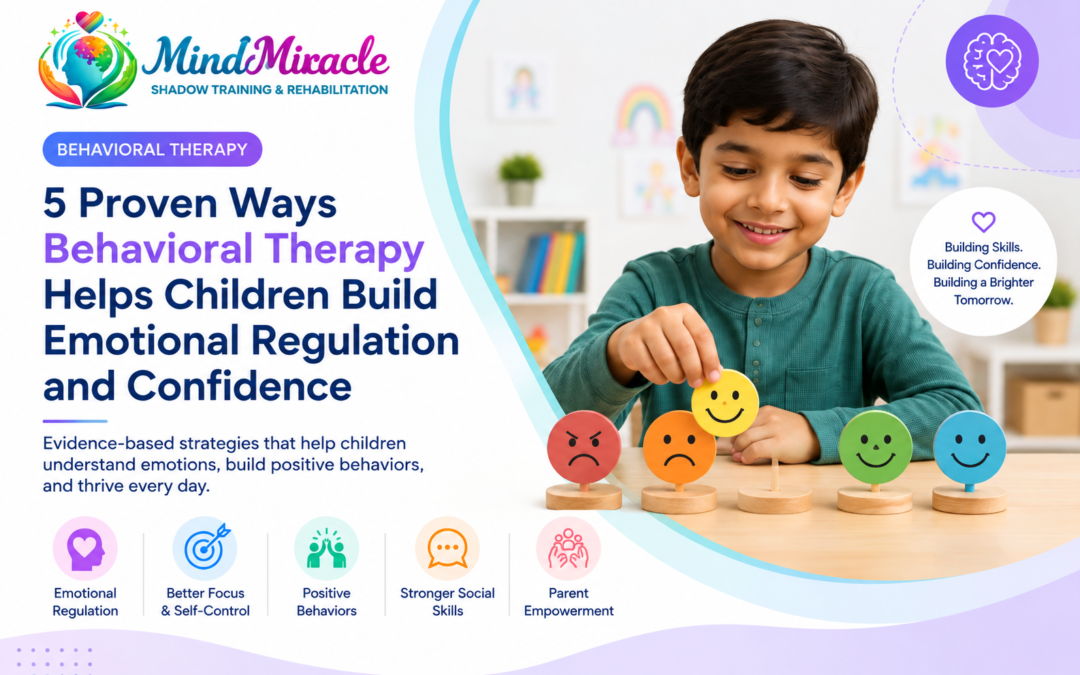
5 Proven Ways Behavioral Therapy Helps Children Build Emotional Regulation and Confidence

Every child experiences strong emotions, but some children need additional support to understand and manage them. Frequent tantrums, emotional meltdowns, impulsive behavior, difficulty focusing, or challenges with communication can sometimes affect a child’s learning, relationships, and everyday activities. With appropriate guidance, children can learn healthier ways to express emotions and develop positive behaviors. Pasted markdown

Behavioral Therapy for Children is an evidence-based approach that focuses on understanding why behaviors occur and teaching practical alternatives. Rather than simply correcting unwanted behavior, therapists use encouragement, consistency, structured activities, and positive reinforcement to help children develop emotional awareness, communication, self-control, problem-solving skills, and positive habits. Pasted markdown

1. Teaching Healthy Emotional Expression

Children may experience frustration, anxiety, disappointment, or excitement without knowing how to communicate those feelings appropriately. Behavioral therapy helps children recognize emotions, identify triggers, express feelings through words, practice calming techniques, and develop coping strategies. With regular practice, children can become more confident in handling difficult situations independently. Pasted markdown

2. Reducing Frustration and Challenging Behaviors

Behaviors such as screaming, hitting, throwing objects, or refusing instructions can sometimes be a child’s way of communicating frustration or unmet needs. Therapists work to identify triggers and introduce healthier alternatives through predictable routines, positive reinforcement, problem-solving, appropriate communication, and smoother transitions between activities. Pasted markdown

3. Improving Attention and Self-Control

Some children find it difficult to remain focused during classroom activities or everyday routines. Behavioral therapy can use practical strategies such as breaking tasks into smaller steps, visual schedules, structured routines, goal setting, reward systems, and gentle prompts. These techniques can help children gradually complete activities more independently while strengthening confidence and self-control. Pasted markdown

4. Building Social and Communication Skills

Social interaction is an important part of childhood development. Some children may struggle with starting conversations, taking turns, sharing, understanding social cues, or participating in groups. Behavioral therapy provides opportunities to practice communication, listening, empathy, personal boundaries, peaceful conflict resolution, and group participation in a supportive environment. Pasted markdown

5. Empowering Parents

Parents play an essential role in supporting long-term progress. At Mind Miracle, families are involved through practical guidance and strategies that can be continued at home. Parents may learn positive reinforcement techniques, ways to manage challenging behavior calmly, methods for establishing predictable routines, and approaches for encouraging independence and emotional regulation. Pasted markdown

The Mind Miracle Approach

At Mind Miracle, each child receives support based on their individual strengths, developmental needs, communication abilities, and goals. Following an assessment, a personalized intervention plan can include evidence-based techniques, age-appropriate activities, positive reinforcement, family-centered care, parent coaching, and regular progress reviews. Pasted markdown

Behavioral therapy is about more than managing challenging behaviors. It can help children better understand emotions, strengthen communication, build relationships, develop independence, and approach everyday challenges with greater confidence. Mind Miracle focuses on compassionate, evidence-based support for children and their families throughout this developmental journey. Pasted markdown