
BEHAVIORAL THERAPY
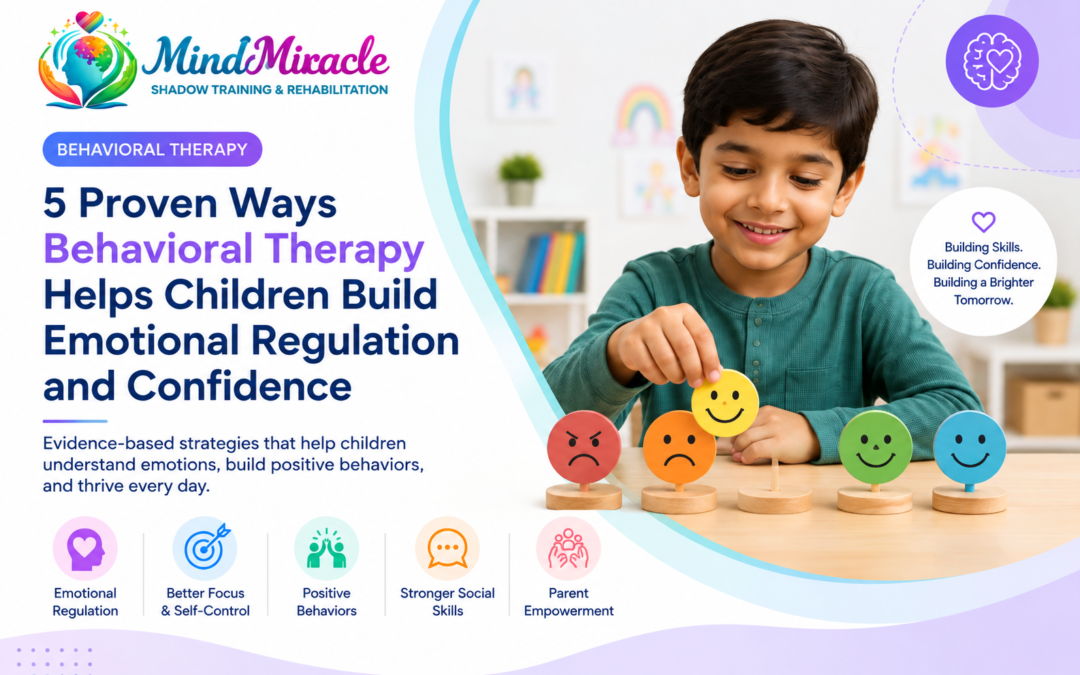
5 Proven Ways Behavioral Therapy Helps Children Build Emotional Regulation and Confidence
Discover how personalized behavioral therapy can help children manage emotions, develop positive behaviors, improve communication, and build confidence in everyday life.
Every child experiences big emotions—but some children need additional support to understand and manage them.
Parents often witness moments when their child struggles to express emotions, follow instructions, or cope with changes in routine. Tantrums, emotional meltdowns, impulsive behavior, and difficulty focusing can be a natural part of development. However, when these behaviors become frequent, intense, or begin affecting a child's learning, relationships, or daily life, it may be time to seek professional support.
The encouraging news is that children can learn healthier ways to understand and manage their emotions. With the right guidance, they can develop stronger communication skills, build confidence, and navigate challenges more successfully.
Behavioral Therapy for Children is an evidence-based approach that helps children develop positive behaviors while reducing those that interfere with learning, social interaction, and emotional well-being. Rather than focusing on punishment, behavioral therapy emphasizes understanding the reasons behind behaviors and teaching practical skills that children can use in everyday situations.
At Mind Miracle, our goal is to help every child thrive by providing compassionate, personalized interventions that strengthen emotional regulation, independence, and confidence.
What is Behavioral Therapy?
Behavioral therapy is a structured, evidence-based approach designed to help children understand their emotions, develop appropriate responses, and build positive behaviors through encouragement, consistency, and practice.
Instead of simply correcting unwanted behaviors, therapists identify why a behavior occurs and teach healthier alternatives that help children succeed at home, in school, and in social settings.
The therapy focuses on:
- Understanding behavior patterns
- Teaching emotional awareness
- Developing self-control
- Improving communication
- Strengthening problem-solving skills
- Encouraging positive habits
One of the most effective components of Behavioral Therapy for Children is the use of positive reinforcement techniques. Rather than emphasizing mistakes, therapists celebrate positive behaviors, motivating children to repeat them and gradually replace challenging behaviors with healthier ones.
Every child is unique, which is why therapy is always tailored to their individual strengths, developmental needs, and personal goals.
5 Key Ways Behavioral Therapy Supports Growth
1. Teaching Healthy Emotional Expression
Young children often experience big emotions but may not yet have the words or skills to express them appropriately. Frustration, disappointment, anxiety, or excitement can quickly lead to crying, yelling, or withdrawal.
Behavioral therapy helps children build child emotional regulation by teaching them to:
- Recognize different emotions
- Understand emotional triggers
- Express feelings using words
- Practice calming techniques
- Build coping strategies for stressful situations
As children become more aware of their emotions, they gain confidence in handling everyday challenges with greater independence.
Key Insight: Emotional regulation is a learned skill, and with consistent guidance, children can develop healthy ways to respond to difficult situations.
2. Reducing Frustration and Aggressive Behaviors
Children sometimes communicate unmet needs through behaviors such as hitting, throwing objects, screaming, or refusing instructions. These behaviors are often signs of frustration rather than intentional defiance.
Behavioral therapists use evidence-based behavior modification strategies to identify the underlying causes and teach more appropriate alternatives.
Therapy may include:
- Identifying behavior triggers
- Creating predictable routines
- Reinforcing positive choices
- Teaching problem-solving skills
- Encouraging appropriate communication
- Supporting smooth transitions between activities
Over time, children learn that positive behaviors are more effective in helping them communicate their needs and achieve successful outcomes.
3. Improving Attention and Self-Control
Remaining focused during classroom activities or completing daily routines can be challenging for some children, particularly those with developmental or attention-related difficulties.
Behavioral therapy helps improve concentration by teaching children practical strategies to manage distractions and develop self-control.
Common techniques include:
- Breaking tasks into smaller steps
- Visual schedules
- Goal setting
- Reward systems
- Structured routines
- Gentle reminders and prompts
Children gradually become more capable of completing activities independently while building confidence in their abilities.
For children receiving autism behavioral support, these structured approaches can also help reduce anxiety and improve participation in daily routines.
4. Building Social Communication Skills
Friendships and positive social interactions are essential for emotional development, but they don't always come naturally to every child.
Some children may struggle with:
- Starting conversations
- Taking turns
- Understanding social cues
- Sharing with peers
- Maintaining eye contact
- Working in groups
Behavioral therapy creates opportunities to practice these skills in a supportive environment.
Children learn to:
- Communicate their needs appropriately
- Listen and respond to others
- Understand personal boundaries
- Build empathy
- Solve conflicts peacefully
- Participate confidently in group activities
As social confidence grows, children often experience stronger relationships both inside and outside the classroom.
5. Empowering Parents with At-Home Strategies
Parents play one of the most important roles in a child's development. Lasting progress happens when positive strategies are consistently reinforced at home as well as during therapy sessions.
At Mind Miracle, therapy extends beyond the clinic by actively involving families throughout the process.
Parents receive practical guidance on:
- Using positive reinforcement techniques at home
- Managing challenging behaviors calmly
- Establishing predictable routines
- Encouraging independence
- Supporting emotional regulation during daily activities
- Reinforcing therapy goals consistently
This partnership helps children experience a more consistent environment, allowing new skills to become part of everyday life.
Key Insight: When parents and therapists work together, children are more likely to achieve meaningful and lasting progress.
The Mind Miracle Approach
At Mind Miracle, we believe that every child has unique strengths, abilities, and learning styles. That's why no two therapy plans are the same.
Our approach begins with a comprehensive assessment that helps us understand each child's developmental profile, behavioral patterns, communication abilities, and individual goals.
Based on this assessment, we develop a personalized intervention plan that focuses on meaningful, measurable outcomes.
Our behavioral therapy programs include:
- Individualized intervention plans tailored to each child's needs
- Evidence-based therapeutic techniques
- Age-appropriate learning activities
- Positive reinforcement and motivation
- Family-centered care and parent coaching
- Regular progress reviews and goal adjustments
Our experienced therapists work closely with families, educators, and other professionals to ensure consistency across all environments.
Whether a child requires support with emotional regulation, attention, social communication, or autism behavioral support, our goal is always the same—to help them build confidence, independence, and lifelong skills.
Frequently Asked Questions (FAQ)
At what age should a child start behavioral therapy?
There is no single "right" age to begin therapy. Behavioral therapy can benefit children as soon as developmental or behavioral concerns begin affecting their daily life, learning, or social interactions.
Early intervention is often associated with better long-term outcomes because children develop important emotional, communication, and behavioral skills during their early years.
If you're unsure whether your child may benefit, a professional assessment can help determine the most appropriate course of action.
How are parents involved in the therapy sessions?
Parents are an essential part of the therapeutic process.
At Mind Miracle, we encourage active family participation through:
- Regular progress updates
- Parent coaching sessions
- Home-based activity recommendations
- Practical behavior management strategies
- Collaborative goal setting
- Guidance for supporting therapy at home
This collaborative approach helps ensure children receive consistent support across home, school, and therapy settings, maximizing their opportunities for success.
Helping Children Grow with Confidence
Every child deserves the opportunity to learn, communicate, and thrive in a supportive environment. While behavioral challenges can feel overwhelming, they are also opportunities to build lifelong skills with the right guidance.
Behavioral Therapy for Children goes beyond managing behaviors—it helps children understand their emotions, strengthen relationships, improve communication, and develop the confidence to face everyday challenges.
At Mind Miracle, we are committed to providing compassionate, evidence-based care that empowers children and supports families throughout their journey.